
Carbs Decoded: Tailoring Carbohydrate Intake for Optimal Performance
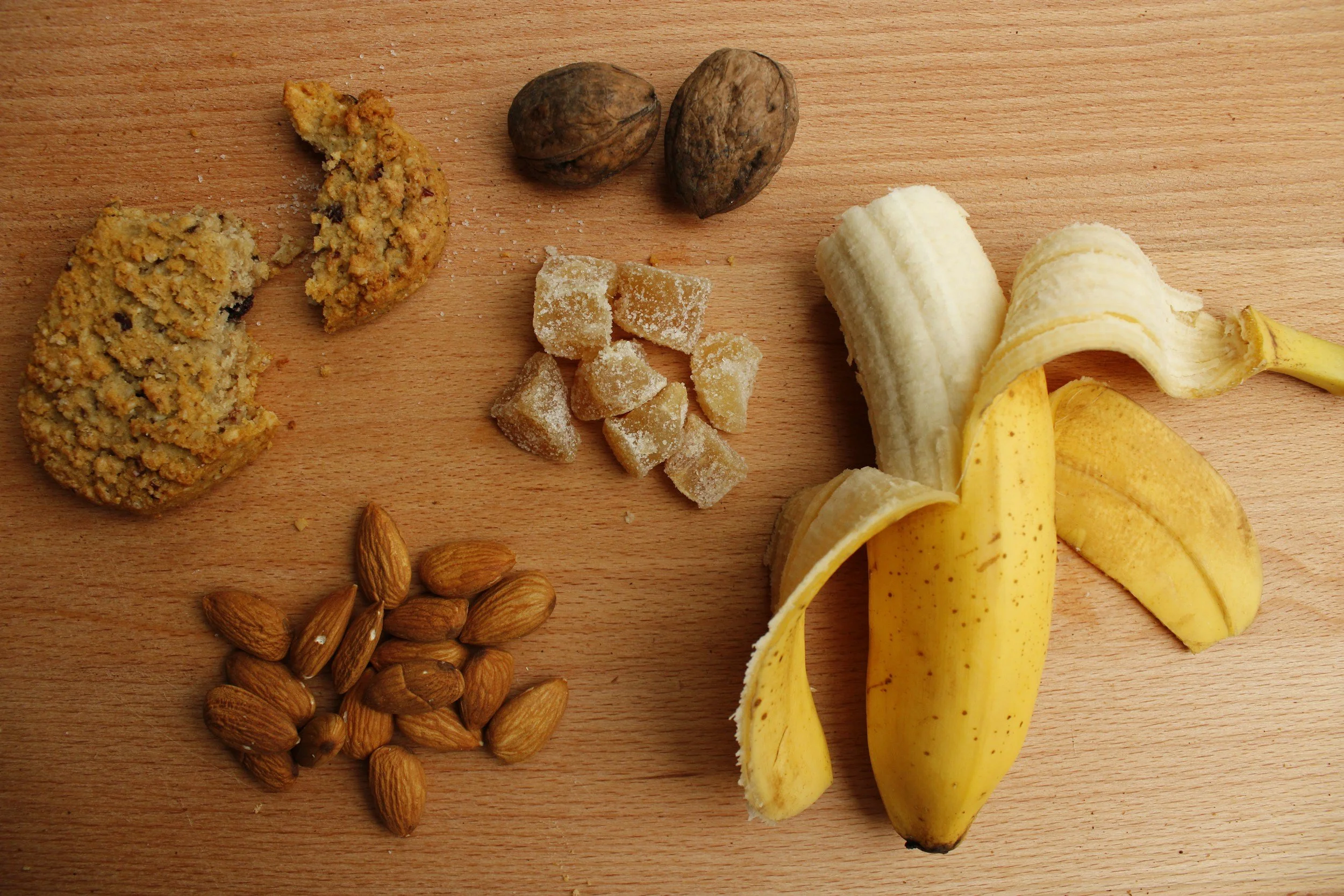
Carbs, your favorite Sunday comfort food. The stuff Thanksgivings are made of. How much have you thought about the role that carbs play in your health? Carbohydrates are a key source of energy for the body, and the amount needed can vary greatly depending on one’s lifestyle, activity level, and gender. Here’s a quick guide to understanding how many and which type of carbs you might need, along with some personalized advice for different activities and dietary strategies.
Daily Carbohydrate Intake
For the average adult, the Dietary Guidelines for Americans recommend that carbohydrates make up 45% to 65% of total daily calories1. This means, for a standard 2,000 calorie diet, that would translate to about 225 to 325 grams of carbs per day. However, this can vary:
- Sedentary individuals typically need fewer carbs, around the lower end of the aforementioned range.
- Moderately active individuals might aim for the middle range.
- Highly active individuals, such as runners and powerlifters, may require carbs on the higher end or even beyond the standard recommendations.
Carbohydrates for Runners and Powerlifters
Runners, especially those doing long distances, may need up to 7-10 grams of carbs per kilogram of body weight during intense training periods2. Powerlifters, on the other hand, might focus on timing their carb intake to match their training sessions for optimal performance and recovery.
Carb Cycling
Carb cycling involves varying daily carbohydrate intake to fit activity levels and goals. For example, high-carb days might coincide with heavy training days, while low-carb days might align with rest days or lighter workouts3.
Carb Loading
Carb loading is often used by athletes before endurance events to maximize glycogen stores. It typically involves consuming 7 to 10 grams of carbohydrates per kilogram of body weight starting about three days before an event5.
Bodybuilding: Bulking and Cutting
During bulking phases, bodybuilders may increase their carb intake to support muscle growth, while cutting phases might see a reduction in carbs to help with fat loss. Carb loading can also be used strategically before competitions to enhance muscle fullness6.
Healthy Snack Ideas
For healthy snacking, consider options like:
- Fresh fruit with a handful of nuts.
- Greek yogurt with berries.
- Whole-grain toast with avocado7.
Foods to Avoid
Try to limit:
- Processed meats like hot dogs and bacon.
- Refined carbs found in pastries and white bread.
- Sugary drinks and snacks8.
Remember, these are general guidelines and individual needs can vary. It’s always best to consult with a nutritionist or dietitian to tailor your diet to your specific needs and goals. Stay fueled and healthy!